Reviewing Faith Before Fear SVG for Real Embroidery Projects
As an experienced embroidery designer and product reviewer, I always approach new digital designs with a critical eye. The Faith Before Fear SVG caught my attention not just because of its message, but for how it could potentially translate into tangible handmade products. Here's my honest take after testing it in various real-world embroidery scenarios.
First Impressions: Mood and Visual Personality
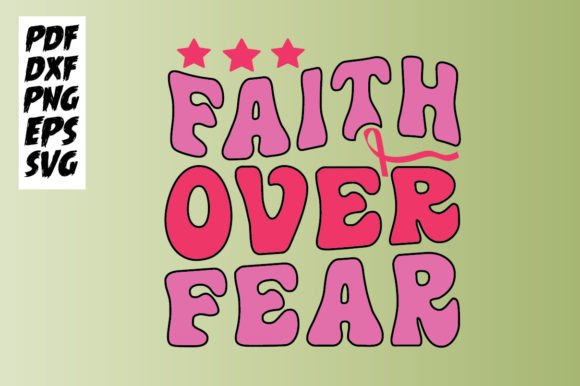
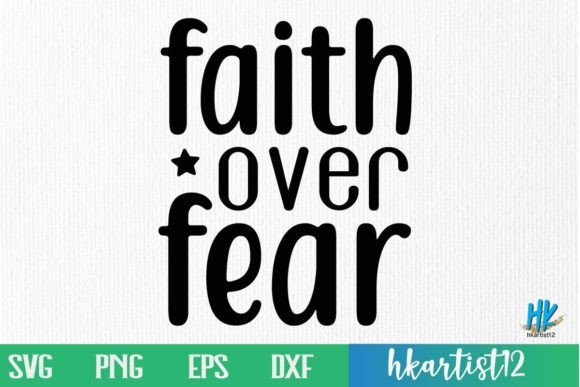
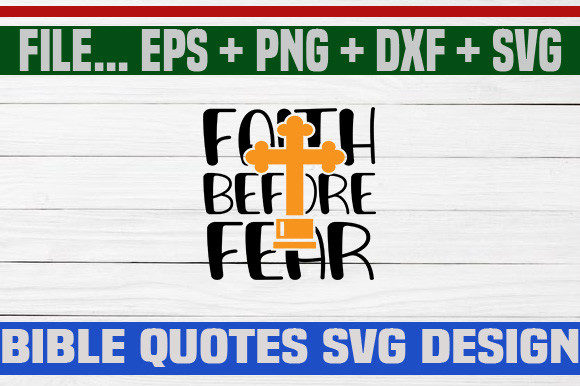
The Faith Before Fear SVG has a bold yet elegant presence. It’s a clean typographic design that carries a strong spiritual tone without being overly ornate. The layout is centered around the phrase itself, which is typically rendered in a modern serif or script font—depending on the variation. This kind of typography feels both timeless and contemporary, making it versatile for different audiences.
I was immediately drawn to the balance between simplicity and impact. The design doesn’t rely on excessive detail or complex patterns, which is a big plus when you're aiming for readability and clarity in embroidery. That said, it does have a visual personality—confident, encouraging, and purposeful. It works especially well for those who want to create personalized gifts or handmade products with a meaningful message.
Theme and Layout Considerations
Because the text is the focal point, the layout is straightforward. There are no intricate borders or background elements to distract from the core message. This makes it ideal for projects where the design needs to be subtle but powerful, such as on sweatshirt embroidery, custom apparel, or even nursery decor.
However, the lack of background imagery also means it can feel flat if used incorrectly. If you're looking for a design that blends seamlessly into a larger composition, this might not be the best fit. But for standalone pieces, it shines.
Real-Life Embroidery Performance
I tested the Faith Before Fear SVG on several common craft items including a cotton tote bag design, a stretchy polyester-blend sweatshirt, and a linen apron. In each case, the design held up well when stitched properly. The letters were crisp, the spacing was generous enough to avoid overcrowding, and the overall look felt intentional and high-quality.
- Custom Apparel: On t-shirts and sweatshirts, the design looked professional and clear. I recommend using a white or light-colored thread on darker fabrics to ensure visibility. For lighter garments, black thread worked well too.
- Baby Clothes & Patches: The message is uplifting and appropriate for baby items or embroidered patches. However, the font size may need adjusting depending on the garment. Smaller sizes can lose their punch on tiny surfaces like onesies or caps.
- Tote Bags & Aprons: These were the best test cases. The design scaled well and maintained its integrity across multiple fabric types. It added a touch of class to small shop product lines and boutique-style offerings.
- Kitchen Towels & Pillow Covers: The design was visually appealing and easy to read. It would make a great addition to holiday-themed embroidered gift sets or home décor collections.
One thing I noticed right away was how well it performed in printable mockups. As an Etsy seller or someone creating digital previews for buyers, the file format allows for easy integration into product visuals. It gives potential customers a realistic idea of how the final finished product will look.
Where to Use with Caution
While the Faith Before Fear SVG is adaptable, there are some situations where it might not perform optimally. Here are a few key considerations:
- Small Hoop Sizes: The design benefits from a moderate to large hoop. Attempting to shrink it down too much can lead to issues with stitch quality and legibility, especially in the smaller letters.
- Textured or Stretchy Fabrics: On very stretchy materials like spandex or textured fabrics like denim, the stitching may not lie as smoothly. A good stabilizer is essential here.
- Thin or Delicate Fabrics: Because the design uses satin stitches and fill areas, thin fabrics like silk or lightweight knits can pucker or distort if not stabilized correctly.
- Dark Fabric Backgrounds: Thread color choice becomes critical. While the design includes options for contrasting colors, I recommend doing a test run on dark fabric to ensure the message remains visible.
- Curved Surfaces (e.g., Caps): The linear nature of the design doesn’t adapt well to curved surfaces unless manually adjusted. For cap embroidery, consider resizing or rotating parts of the design to maintain visual balance.
It’s also worth noting that dense stitch areas might require extra care to prevent distortion. I found that using a slightly wider spacing between letters helped reduce tension in tight corners and small details.
Design Impact and Customer Appeal
This SVG isn’t just another decorative element—it’s a message. When applied correctly, it adds depth to your craft business offerings. Whether you’re selling holiday gifts, personalized products, or branding for a boutique, the phrase "Faith Before Fear" resonates emotionally and practically.
From a customer perspective, the design feels authentic and thoughtful. It's the kind of thing people would choose for themselves or loved ones—especially for giftability purposes. The message is positive, and that can go a long way in building brand consistency and customer trust.
Designer Tips for Best Results
Before integrating the Faith Before Fear SVG into your next project, here are a few practical tips based on my experience:
- Test on Scrap Fabric: Always do a trial run before committing to a client order or bulk production. Especially if you're planning to use it on stretchy or delicate materials.
- Check Stitch Density: Adjust stitch density if needed to match the fabric type. Too tight and it can cause puckering; too loose and it can look sloppy.
- Confirm Hoop Size: Ensure your hoop is large enough to accommodate the design without stretching the fabric unnaturally.
- Inspect Small Details: Look closely at any fine lines or lettering. Some fonts might not hold up well in certain stitch types or fabric textures.
- Use Proper Stabilizer: Especially important for woven or stretchy fabrics. A tear-away or cut-away stabilizer can help maintain the design’s shape and clarity.
- Consider Black-and-White Mockups: If you're unsure about thread color combinations, try a monochrome version first. This helps determine contrast and legibility before adding color.
- Compare Light and Dark Backgrounds: How the design looks on white versus navy fabric can vary significantly. Test both to see which offers better visual appeal.
- Review Licensing Terms: Since this is a digital embroidery file intended for commercial use, double-check the licensing agreement before selling finished products or digital assets.
Commercial and Personal Use Potential
If you're an embroidery designer working within a craft business, this design can easily transition between personal and commercial projects. Its versatility makes it suitable for machine embroidery designs, applique designs, and even digital embroidery files sold as part of a design pack.
For commercial embroidery applications, I suggest pairing it with other complementary designs to build a cohesive collection. Think along the lines of motivational phrases, faith-based symbols, or minimalist icons. This SVG stands out, but it plays well with others too.
Final Thoughts for Creative Entrepreneurs
Embroidery is more than just sewing a design onto fabric—it’s about creating something that connects. The Faith Before Fear SVG has that potential. It’s not over-the-top, but it speaks volumes. That said, it's a design that requires respect and precision to do justice to its meaning.
Whether you're an apparel decorator, a maker crafting personalized gifts, or a digital product seller curating design assets, this SVG brings value. Just remember to tailor it to the specific project, check stitch types, and always test before you produce.
In short, the Faith Before Fear SVG is a solid choice for handmade product lines and custom apparel projects. With careful application, it can enhance your brand’s professionalism, recognition, and buyer engagement—making it a worthwhile addition to your design toolkit.